
Top 8 Perpetual Futures Platforms Every Trader Should Know
Perpetual Futures Platforms have redefined crypto trading. These instruments allow traders to speculate on asset prices with leverage, without expiration dates. Whether you’re a beginner curious about margin trading or a seasoned pro optimizing your strategy, choosing the right platform is critical.
In this detailed guide, we explore the Top 10 Perpetual Futures Platforms Every Trader Should Know. We’ll evaluate each based on platform features, trading experience, fees, reliability, affiliate potential, and regulation. You’ll also find a real-world comparison and affiliate breakdown, so you can make informed decisions.
Why Perpetual Futures Matter in 2025
Unlike traditional futures, perpetual contracts don’t expire. Traders can hold positions indefinitely, as long as their margin supports it. This has revolutionized crypto futures trading, enabling 24/7 leveraged speculation.
Key Advantages:
- No expiration dates
- Funding rate mechanism for balance
- Flexibility in trading strategy
But not all perpetual Futures Platforms are the same. Let’s dive into the top 10:
1. Binance Futures
Introduction: Binance Futures – Futures Platforms is the largest derivatives exchange by volume, supporting perpetual futures on over 150 crypto pairs. It’s part of the Binance ecosystem and benefits from high liquidity, competitive fees, and robust infrastructure.
Platform Analysis: Users get access to cross and isolated margin, up to 125x leverage, advanced order types, and customizable charts powered by TradingView. The platform supports USDⓈ-M, COIN-M, and options markets.

Advantages:
- Deep liquidity across pairs
- Institutional-grade execution
- Competitive fee tiers
- API and grid bot integration
Disadvantages:
- Requires KYC for full access
- Regulatory uncertainty in some jurisdictions
Comparison: Outperforms MEXC and ApolloX in terms of volume, tools, and security. Less decentralized than dYdX or GMX.
Affiliate Program:
- RevShare up to 50%
- Cookie duration: 90 days
- Payment in USDT/BUSD
- KYC required
- Global reach, but restrictions in some regions
Verdict: A must-have for serious traders due to its unmatched infrastructure and ecosystem.
2. Bybit
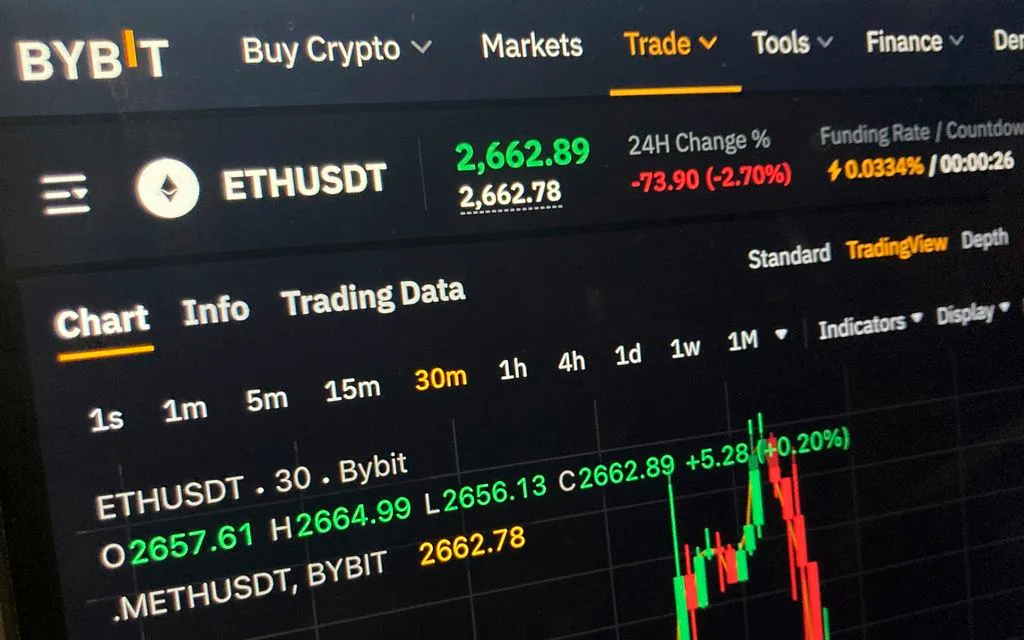
Introduction: Bybit- Futures Platforms is a top-tier derivatives exchange with a sleek interface and growing user base. Known for reliability during high volatility, it’s a trader-favorite for perpetual contracts.
Platform Analysis: Offers inverse and linear perpetual contracts with up to 100x leverage. Notably, Bybit provides advanced charting tools, testnet environments, and launchpad integration.
Advantages:
- No downtime during major events
- Fast order execution
- Clean UI and mobile-friendly
Disadvantages:
- Limited altcoin futures pairs compared to Binance
- Leverage varies by asset
Comparison: Provides better UX than OKX, less decentralization than Perpetual Protocol. Competes closely with Binance in retail appeal.
Affiliate Program:
- RevShare up to 30% + bonuses
- Cookie duration: 60 days
- Payout in USDT
- KYC optional for referrals
Verdict: Top pick for stable, professional-grade perpetual trading.
3. OKX

Introduction: OKX- Futures Platforms is a global crypto exchange with an advanced perpetual futures engine. It appeals to both institutions and retail users with a broad asset list.
Platform Analysis: Supports USDⓈ-M and COIN-M contracts, options, and block trades. It features an integrated wallet, launchpad, and DEX.
Advantages:
- Over 150 perpetual pairs
- Fee discounts via OKB token
- Multi-collateral margin
Disadvantages:
- Slightly complex UI for beginners
- Regional restrictions
Comparison: Stands between Binance and Bybit in terms of liquidity and UX. Offers more features than MEXC or ApolloX.
Affiliate Program:
- 30%-40% revenue share
- Cookie: 30 days
- Multiple payout methods
- KYC required
Verdict: A powerful alternative to Binance with strong institutional tools.
4. dYdX
Introduction: dYdX- Futures Platforms is a leading decentralized perpetual futures exchange built on Cosmos. It offers trustless, order-book based trading with deep liquidity.
Platform Analysis: Its recent migration to a sovereign chain on Cosmos has reduced gas costs to zero, improved speed, and fully decentralized governance.

Advantages:
- Full decentralization
- No KYC
- Institutional-grade order book
Disadvantages:
- Limited asset listings
- Requires blockchain wallet setup
Comparison: More secure and decentralized than Binance/Bybit. Lags in altcoin support compared to MEXC.
Affiliate Program:
- Tiered based on volume
- Cookie-less, address-based tracking
- Payouts in USDC
- No KYC
Verdict: Perfect for DeFi-native traders seeking trustless perpetual futures.
5. GMX
Introduction: GMX- Futures Platforms is a decentralized perpetual exchange operating on Arbitrum and Avalanche. It uses a liquidity pool model (GLP) and oracle pricing for zero-slippage trades.
Platform Analysis: Traders use GLP liquidity to open leveraged long or short positions, while GLP holders earn fees. Fully integrated with Web3 wallets.
Advantages:
- No slippage
- Earn yield by providing liquidity
- Decentralized, low fees
Disadvantages:
- Smaller market list
- GLP risk during extreme volatility
Comparison: GMX beats most in UX simplicity and yield but loses to Binance in depth of markets.
Affiliate Program:
- 10%-20% fee rebate model
- On-chain referral link
- No cookie or KYC
- Payouts in ETH/ARB
Verdict: DeFi-first solution for yield-focused perpetual traders.
6. ApolloX
Introduction: ApolloX- Futures Platforms is a hybrid exchange offering both centralized and decentralized perpetual trading. It targets retail users seeking low fees and a simple interface.

Platform Analysis: ApolloX provides perpetual contracts on major cryptocurrencies with up to 100x leverage. It combines a CEX-style experience with DEX flexibility through ApolloX DEX.
Advantages:
- Hybrid model (CEX+DEX)
- Lower fees and incentives for APX token holders
- Accessible and user-friendly interface
Disadvantages:
- Limited asset range
- DEX component lacks full decentralization
Comparison: More beginner-friendly than dYdX, less liquidity than OKX or Binance.
Affiliate Program:
- RevShare up to 50%
- Cookie: 30 days
- Payouts in USDT/APX
- KYC optional
Verdict: A solid hybrid platform for traders transitioning between CEX and DeFi.
7. MEXC
Introduction: MEXC- Futures Platforms is a rising global exchange that excels in altcoin listings and perpetual futures variety. It’s popular for quick token listings and new market access.
Platform Analysis: Offers over 200 perpetual contracts, deep altcoin access, and margin options. Features copy trading and advanced API.

Advantages:
- Vast asset selection
- Frequent new listings
- Low trading fees
Disadvantages:
- UI can be cluttered
- KYC requirements depend on region
Comparison: Beats Binance and Bybit in altcoin selection, but lower institutional depth.
Affiliate Program:
- RevShare up to 40%
- Cookie: 30 days
- Payout via USDT
- KYC required in some regions
Verdict: Great choice for altcoin-focused futures traders and affiliate marketers.
8. Level Finance
Introduction: Level Finance – Futures Platforms is a decentralized perpetual protocol built on BNB Chain, known for its multi-asset vaults and real yield model.
Platform Analysis: Uses a tiered vault system and risk rebalancing to offer leveraged perpetuals with sustainable yield. Users earn from protocol fees.
Advantages:
- Real yield to LPs and token holders
- Permissionless and Web3-native
- Tiered vault risk control
Disadvantages:
- Complex for beginners
- Limited pairs vs. CEXs
Comparison: More sustainable than GMX or dYdX due to vault design. Less intuitive for newcomers.
Affiliate Program:
- Smart contract-based
- On-chain tracking
- Payouts in LVL or BNB
- No KYC
Verdict: Best for risk-savvy DeFi users looking to balance yield and perpetual exposure.